Facts & Questions
Most common questions answered before you have to mail or WhatsApp us!
Free Tour Rome – Your Complete Guide to Free, Private & Paid Tours
📝 Booking a Tour – All You Need To Know!
5 Steps to make a booking with us :
Follow these quick steps to complete your booking.
- Click on “Book now” button.
- Choose the Date, how many persons and the time.
-
Now there are 2 options:
- You have already an account with us, then sign in and complete your booking.
- You don’t have an account, then continue to fill in your details and “continue to checkout”.
- Read the Terms & Conditions, check the box below and press the “Continue” button.
- Make the payment required and your booking is complete.
- Automatically you will receive an email with all details in your email inbox.
- Login to your account.
- Cancel your booking (min 72 hours before the tour take place).
- Change your booking.
- Write a review after the tour took place.
Was this helpful?
Thanks for your feedback!
Where is the meeting point and what time the tour start❓
Was this helpful?
Thanks for your feedback!
I did make a booking but didn't receive any email how can it be❓
- You did provide the wrong email address at the time you made your booking. (In this case write us by email or WhatsApp and we will solve the problem).
- It went to your spam-folder (it happens sometimes). If landed in your spam-folder, make sure you save the address as safe so the rest of the communication will arrive in your inbox.
Was this helpful?
Thanks for your feedback!
Why free walking tours but a Booking fee ❓
💶 Why We Charge a Small Booking Fee
While we operate on a tips-only basis, we do require a small booking fee to confirm your participation. This helps us:- ✅ Keep our groups small and comfortable
- ✅ Ensure guests are committed and show up
- ✅ Support our guides to deliver their best
🔧 What the Fee Covers
To run our tour operator business smoothly, we cover essential costs like:- 📢 Advertising
- 🏢 Office and admin expenses
- 🌐 Website maintenance
🙌 Still a Free Walking Tour!
Despite the booking fee, our tours remain true to the spirit of a “Free Walking Tour” — at the end, you’re free to pay your guide as much or as little as you feel the experience was worth. We value transparency, so you can book with confidence. Join the many happy travelers who have explored Rome with us.Was this helpful?
Thanks for your feedback!
I would like to join more than one free walking tour, can i❓
Was this helpful?
Thanks for your feedback!
Can i show up on the meeting point without a reservation❓
Was this helpful?
Thanks for your feedback!
Can I make changes to my reservation after I booked❓
Was this helpful?
Thanks for your feedback!
Do i need to print my booking❓
- Print your booking.
- Show your booking on any mobile device.
- Give the tour guide your booking id.
- Give the tour guide the email address you used to make your booking.
Was this helpful?
Thanks for your feedback!
Is the tour running with every weather type❓
Was this helpful?
Thanks for your feedback!
📍Common Questions for First-Time Visitors
How do I get around Rome❓
- Public Transportation: Buses, trams, and metro lines. Metro is quick but limited; buses and trams are broader but slower.
- Taxi: Widely available and can be hailed or pre-booked.
- Bicycle: Bike-sharing and rentals available across the city.
- Walking: Rome is compact and great for exploring by foot.
- Scooter or Motorbike: Fast and convenient, especially during traffic hours.
Was this helpful?
Thanks for your feedback!
What are the most popular tourist attractions in Rome❓
- Colosseum: A symbol of Rome’s ancient history and one of the largest and best-preserved amphitheaters in the world.
- Vatican City: The smallest independent state in the world and home to the Pope, with famous attractions such as St. Peter’s Basilica, the Sistine Chapel, and the Vatican Museums.
- Roman Forum: The political and commercial center of ancient Rome and a site of many important historical buildings and monuments.
- Pantheon: A well-preserved ancient temple dedicated to all the gods and an impressive example of Roman engineering and architecture.
- Piazza Navona: A beautiful Baroque square in the heart of Rome, surrounded by cafes, restaurants, and three magnificent fountains.
- Trevi Fountain: One of Rome’s most famous landmarks and a traditional spot for making a wish.
- Castel Sant’Angelo: A castle and museum located on the banks of the Tiber River and once used as a papal residence.
- Spanish Steps: A famous staircase in the heart of Rome, leading up to the Trinità dei Monti church and offering panoramic views of the city.
- Campo de’ Fiori: A lively square in the heart of Rome, famous for its daily market and nightlife.
- Borghese Gallery: A world-renowned art museum housed in the Villa Borghese and featuring an impressive collection of sculptures and paintings.
Was this helpful?
Thanks for your feedback!
Is Rome a walkable city, How to Explore on Foot❓
Tips for Exploring the Eternal City on Foot
Rome is often described as an open-air museum — and for good reason. Its historic center is compact, therefore walking is the most rewarding way to explore. Yes, Rome is very walkable! Most major landmarks are within a short stroll: Colosseum, Piazza Navona, Spanish Steps, Trevi Fountain, and many more. In addition, walking allows you to notice details you would otherwise miss when using public transport.
Why Walking Is the Best Way to See Rome
Walk through history: cobbled alleys, fountains, piazzas, and cafés — all best appreciated on foot. For example, discover local charm and vibrant neighborhoods like Trastevere and Monti. Don’t miss Villa Borghese, Campo de’ Fiori, or the scenic walk from the Vatican to the Pantheon.
Terrain & Distances
Rome is mostly flat with gentle hills like the Spanish Steps and Palatine Hill. Consequently, distances are easy — for example, the Colosseum to Trevi Fountain is just a 20-minute walk.
Top Walkable Neighborhoods
- Centro Storico: Famous squares, museums, and shopping streets.
- Trastevere: Bohemian alleys, artisan workshops, and authentic trattorias.
- Monti: Vintage shops, hipster cafés, and a lively local vibe.
- Vatican Area: St. Peter’s Square, Castel Sant’Angelo, and riverside walks.
Practical Tips for Visitors
- 👟 Wear comfortable shoes to handle cobblestones.
- 💧 Refill bottles at free water fountains (nasoni), which are found all over the city.
- 🌅 Start your walks early to avoid both heat and crowds.
- 📱 Use maps or walking apps so you won’t get lost.
- 🍦 Take breaks in piazzas for coffee or gelato.
When to Use Public Transport
While walking covers most of the historic center, there are times when public transport is more convenient. For example, visiting distant attractions such as the Catacombs or Via Appia Antica. Rome’s metro, buses, and trams connect these areas efficiently. One ticket lasts 100 minutes and works on both buses and metro, which makes combining transport with walking easy. 🚇 Read More About Public Transport in Rome
Walking Tours: A Unique Experience
Join our Free Walking Tours and explore Rome with expert local guides. Learn fascinating stories and uncover hidden gems — pay what you want!
Must-See Spots on Foot
- Piazza Navona: Stunning fountains and art.
- Campo de’ Fiori: Daily market and nightlife.
- Via Appia Antica: Ancient Roman road perfect for long walks.
- Jewish Ghetto: Culture and cuisine.
- Villa Borghese Gardens: Rome’s green oasis for relaxation.
Accessibility Tips
Although some areas have uneven cobblestones or stairs, many attractions are wheelchair accessible. Therefore, planning routes in advance will make the visit easier. Additionally, taxis and buses can help bypass challenging spots.
Final Thoughts
Ultimately, Rome rewards those who explore it on foot. Walk slowly, take in the views, and allow the city to surprise you. And of course, don’t forget to pause for a gelato — because in Rome, every step tells a story.
Was this helpful?
Thanks for your feedback!
How can I get to the Colosseum and/or Vatican (museums)❓
Here are some of the ways to get to the Colosseum and the Vatican:
Colosseum:
- By metro: The nearest metro station to the Colosseum is Colosseo on Line B.
- By bus: Several buses stop nearby, including #75, #81, #85, and #87.
- On foot: It’s within walking distance of the Roman Forum and Palatine Hill.
Vatican Museums:
- By metro: The nearest station is Ottaviano on Line A. Walk 10–15 minutes to the entrance.
- By bus: Buses #40 and #64 stop nearby.
- On foot: A short walk from St. Peter’s Basilica and other Vatican attractions.
Tip: Book your tickets in advance to skip lines—especially in high season!
Was this helpful?
Thanks for your feedback!
How far is the Vatican from the Colosseum❓
- The distance between the Colosseum and the Vatican is approximately 4 kilometers (2.5 miles).
- The quickest way to travel between the two sites is by taxi, which takes about 15 minutes in normal traffic conditions.
- Public transportation, such as the metro or bus, is also an option and takes about 30 to 45 minutes, depending on the route and connections.
- Walking between the two sites takes about an hour and is a great way to see some of Rome’s other famous landmarks along the way.
Was this helpful?
Thanks for your feedback!
Is the Vatican Museums and Sistine Chapel worth visiting❓
Was this helpful?
Thanks for your feedback!
Can I drink the tap water in Rome❓
Yes, you can drink the tap water in Rome. The tap water is safe and of high quality, supplied by a network of springs and aqueducts.
In general, the tap water in Italy is considered clean and safe, and many locals and tourists drink it without any problems.
However, if you’re unsure or have concerns, bottled water is readily available and a good alternative.
Was this helpful?
Thanks for your feedback!
What is the best time of year to visit Rome❓
🌸 Spring (March – May)
Mild temperatures, blooming gardens, and fewer tourists. An excellent season for sightseeing and outdoor walks.☀️ Summer (June – August)
Warm weather, lively festivals, and plenty of events. Perfect if you love energy and long days — but expect higher prices and big crowds.🍁 Fall (September – November)
Pleasant weather, vibrant colors, and calmer streets. Ideal for exploring Rome at a relaxed pace.🎄 Winter (December – February)
A magical time with festive lights, Christmas markets, and fewer tourists. Perfect for enjoying Rome’s holiday charm and cozy atmosphere. Don’t miss our guide to Christmas in Rome. ✨ ✨ Whenever you decide to travel, Rome always offers unforgettable experiences in the Eternal City. 🏛️
How expensive is Rome? What budget do I need per day❓
🔹 Budget Traveler (€50–€80/day)
- Street food / pizza al taglio: €5–€8
- Public transport (bus/metro): €1.50 per ride
- Free attractions & viewpoints
- Hostels: €25–€40 per night
🔹 Mid-Range Traveler (€120–€180/day)
- Restaurant meals: €15–€25 per person
- Attractions like the Colosseum or Vatican: €15–€30
- Metro/bus day pass: €7
- Hotels: €80–€150 per night
🔹 Comfort Traveler (€200–€300+/day)
- Fine dining & wine: €40–€70
- Skip-the-line tours and experiences: €30–€80
- Centrally located hotels: €150–€250+
👉 Want to save money? Join one of our walking tours and explore Rome like a local!
Where to Eat and drink when in Rome❓
What time do restaurants open for lunch and dinner❓
🍝 What time do restaurants open for lunch and dinner?
In Rome, restaurants follow a fairly traditional Italian schedule. Meal times are a bit later than in many other countries, so it helps to know when places typically open.⏱️ Lunch Hours
- Most restaurants open for lunch between 12:00 and 12:30.
- Lunch service usually ends around 14:30–15:00.
- Trattorias and local spots often close completely between lunch & dinner.
⏱️ Dinner Hours
- Dinner typically starts later, usually from 19:00 to 19:30.
- Peak dining time for locals is around 20:30–21:00.
- Most kitchens close around 22:30–23:00, depending on the restaurant.
🍕 Exceptions
- Tourist areas (Pantheon, Trevi, Vatican) often have restaurants open all day.
- Pizzerias may open only for dinner.
- Cafés and bars serve quick snacks or sandwiches throughout the day.
👉 For authentic food, try eating at local hours — and check out our Rome food tips for where to eat and drink while in Rome.
What is the best area for nightlife❓
🎉 Trastevere – The Classic Choice
- Narrow cobblestone streets filled with bars, pubs and aperitivo spots.
- Perfect for a relaxed drink, live music, or a late-night stroll.
- Very popular with both locals and tourists.
🍸 Monti – Stylish & Trendy
- Known for cocktail bars, wine bars and hip cafés.
- A more intimate, bohemian vibe close to the Colosseum.
🎶 Testaccio – Dancing & Clubs
- Historically the heart of Roman clubbing, still home to several discos.
- Ideal if you’re looking for DJs, dancing, and bigger venues.
🍺 San Lorenzo – Student & Local Vibes
- Popular with university students, very lively and budget-friendly.
- Street bars, craft beer spots, and casual nightlife.
👉 Want to explore Rome at night? Join our Ghost & Legends Night Tour for a fun and atmospheric evening experience.
Is Rome safe at night❓
🔒 Is Rome safe at night?
Rome is generally safe at night, especially in the central and tourist-friendly areas. Thousands of visitors and locals enjoy the city after dark every day. However, as in any major European capital, it’s smart to stay aware of your surroundings and follow normal safety tips.🌙 Safe & Lively Areas
- Trastevere – very popular for dinner and drinks, full of people late into the night.
- Monti – trendy and well-lit, with lots of cafés and bars.
- Centro Storico – generally safe due to constant foot traffic.
- Vatican / Prati – calm, elegant, and safe to walk through.
⚠️ Areas to Be More Cautious
- Train stations like Termini or Tiburtina late at night.
- Very quiet streets far from the center.
- Overly crowded nightlife spots where pickpockets may appear.
🛡️ Safety Tips
- Keep your belongings zipped and close to your body.
- Avoid isolated streets when walking alone late at night.
- Use official taxis or ride-share apps if you’re far from your hotel.
- Be cautious around people offering “free gifts” or unwanted help.
👉 For a safe and fun evening activity, try our Ghost & Legends Night Tour — a guided walk through Rome’s most atmospheric nighttime spots.
Is Rome tourist-friendly for solo travelers❓
✅ Why Rome works great for solo travel
- Rich history & culture — you can explore at your own pace, without needing a group.
- Excellent public transport and lots of walkable areas — easy to get around day or night.
- Safe and lively neighborhoods, especially in the historic center, Trastevere, Monti, and Prati.
- Free & paid tours available — ideal for meeting fellow travelers and seeing sights with a guide.
- Incredible food and local markets — perfect for spontaneous dinners or a quick bite.
💡 Solo-Friendly Tips
- Book a guided tour (free walking or specialized) — great way to meet other travelers.
- Use light baggage — many cobblestone streets & stairs.
- Stay centrally or near public transport — easier mobility and safety.
- Dress comfortably and keep a copy of your hotel address when out late.
👉 Want more solo-travel tips in Rome? Check out our blog post: Rome solo travel guide.
What should I wear in Rome❓
☀️ Summer (June–September)
- Light, breathable clothing — temperatures can reach 30–38°C.
- Comfortable walking shoes or sandals (cobblestones!).
- A hat, sunglasses, and sunscreen.
- Light layers for cooler evenings.
🍂 Spring & Autumn (March–May / October–November)
- Comfortable shoes and light layers.
- A light jacket or sweater, especially for evenings.
- An umbrella or compact raincoat — weather can be unpredictable.
❄️ Winter (December–February)
- Jeans or warm trousers.
- A coat or padded jacket.
- Scarf and warm layers — temperatures are mild but humid.
⛪ Important: Dress Code for Churches
- Shoulders must be covered.
- Shorts and skirts should be at least knee-length.
- This rule applies to the Vatican Museums and St. Peter’s Basilica.
👉 Tip: Wear comfortable shoes every day — Rome is best enjoyed on foot, and the historic center is full of uneven stones.
What neighborhoods are best to stay in Rome❓
✨ Centro Storico (Historic Center)
- Perfect for first-timers.
- Walking distance to most major attractions.
- Full of cafés, restaurants, and charming streets.
🌿 Trastevere
- Atmospheric, lively, full of character.
- Great for nightlife, food, and picturesque walks.
🏛️ Monti
- Trendy and central, right by the Colosseum.
- Ideal for boutique hotels, wine bars, and charming alleys.
🚇 Prati
- Elegant and quiet residential area near the Vatican.
- Wide streets, shopping, and easy Metro access.
🎨 Testaccio
- Authentic, food-focused neighborhood with fewer tourists.
- Great for nightlife and local experiences.
💶 Termini Area
- Budget-friendly and extremely well connected by transport.
- Best for short stays or day-trip travelers.
👉 For a full breakdown of every neighborhood visit our blog — including pros, cons, atmosphere, and recommended stays — read our complete guide here: Rome Neighborhoods Guide
Do taxis accept card payment in Rome❓
💳 Good to know
- Always choose a white, licensed taxi with the “TAXI” sign and the city badge.
- You can pay by card, but sometimes drivers may say their machine is “broken.”
- If this happens, politely insist — they must offer card payment.
- Ride apps like Free Now and Uber also guarantee card options.
Where can I find the best viewpoints in Rome❓
- 📍 Pincio Terrace in Villa Borghese – amazing sunset views over Piazza del Popolo.
- 📍 Spanish Steps – classic viewpoint of the bustling square and streets below.
- 📍 St. Peter’s Basilica dome – climb up for an unforgettable view of Vatican City and Rome.
- 📍 Gianicolo Hill – one of the best panoramic points of the city skyline.
What should I avoid doing in Rome (common tourist mistakes)❓
❌ Top Mistakes to Avoid
- Paying high prices at restaurants near major attractions — look for local trattorias a few streets away. 🍝
- Standing on or touching monuments and fountains — many are protected by fines. 🏛️
- Buying tickets from unofficial vendors or street sellers — always use official sources. 🎫
- Overpacking your day — Rome has so much to see; take breaks and enjoy gelato! 🍦
- Expecting all shops and attractions to be open on Sundays — plan ahead. 🕒
- Not validating public transport tickets — inspectors do check, fines are hefty. 🚍
- Ignoring safety basics — pickpocketing is common in crowded areas, keep bags secure. 🎒
Are Sundays in Rome different? What is closed and what is open❓
✅ What’s Open
- Major attractions like the Colosseum, Vatican Museums (except special holidays), and Pantheon.
- Most restaurants, cafes, and gelaterias — especially in tourist areas.
- Supermarkets and convenience stores — some may have shorter hours.
- Public transport operates normally.
- Special free entrance: Last Sunday of the month, many museums and archaeological sites offer free entry.
❌ What’s Often Closed
- Banks and post offices.
- Small, family-run shops in residential areas.
- Some offices and professional services.
Check out our blog for more tips and articles

Capuchin Crypt in Rome | Visit the Bone Chapel
🦴 Discover Rome’s haunting Capuchin Crypt, a unique chapel beneath a church displaying the bones of 3,700 monks arranged in symbolic designs. This surreal blend of art, history, and reflection is a must-see for those wanting an unforgettable experience in the Eternal City.
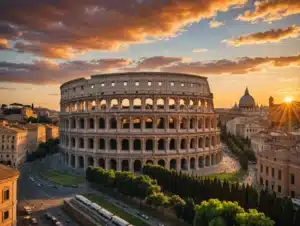
Plan Your Perfect Rome Tour — Interactive Trip Builder
Discover the best way to explore Rome with our interactive trip planner! Build your own itinerary, choose your favorite landmarks and tour times, and instantly get personalized recommendations for unforgettable experiences in the Eternal City.
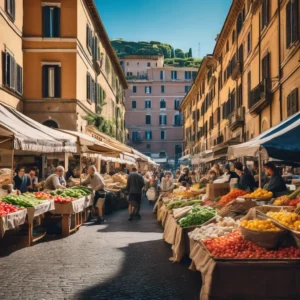
Testaccio, neighborhood in Rome – Free Tour Rome
Discover Testaccio, a historic and vibrant Rome neighborhood known for its unique Monte Testaccio hill made of ancient pottery shards, lively markets, rich culinary scene, and fascinating blend of Roman and modern culture. Explore its iconic landmarks, local traditions, and hidden gems.
Main links
My account
Our Company
If you have any questions send us on WhatsApp!

2025 @Freetourrome all rights reserved
Main Links
My Account
Our Company
2025 @Freetourrome all rights reserved